Monday, May 12, 2008

Planning, planning, and... more planning

My next step towards my finished product was hardly as exciting as my afternoon with the Girl Scouts, but it was certainly interesting. 

In order to be fully prepared to teach a lesson to Mrs. Nease's students, I decided to have her record her classes on Thursday, May 1 and Friday, May 2. On Sunday, Mrs. Nease and I sat down together to watch the tapes, so I could observe the behavior of her students.

Of course, after watching two VHS tapes full of lessons, neither my mentor nor I seemed to be very enthralled by our study material. 
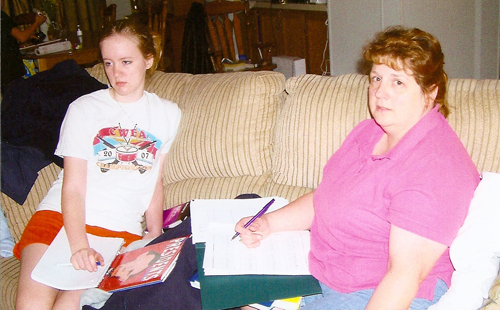

So, we moved on to planning my lesson itself, which proved to be much more exciting. 

Mrs. Nease is currently preparing her third, fourth, and fifth grade students for the End of Grade tests (EOGs). Since most of her students either have learning disorders, ADD/ADHD, or some sort of impairment, standardized tests are especially hard for them, and they require much more specialized attention than an average student. 

In order to help prepare her students for the reading comprehension section of the EOGs, Mrs. Nease has made an effort to keep all of her students active in the Accelerated Reader (AR) program at Clear Creek Elementary. Since each student is required to have a nonfiction book on their AR list, Mrs. Nease and I decided that for my lesson I would read What Presidents Are Made Of by Hanoch Piven, give the students a worksheet to complete, and then send them to take an AR test on the book. 
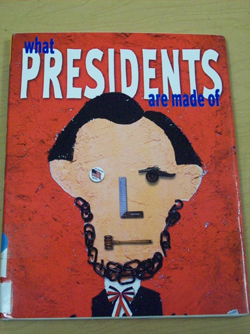


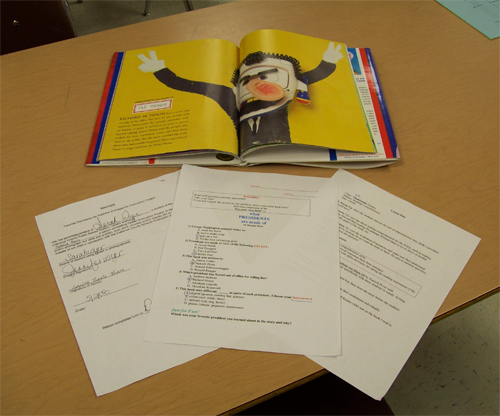
What Presidents Are Made Of gives the readers anecdotes about some of the United States presidents and has some really engaging illustrations (each president is made up of symbolic objects). 

Here are Mrs. Nease and I reading the book together. I was especially amused by the illustration of President Nixon. 
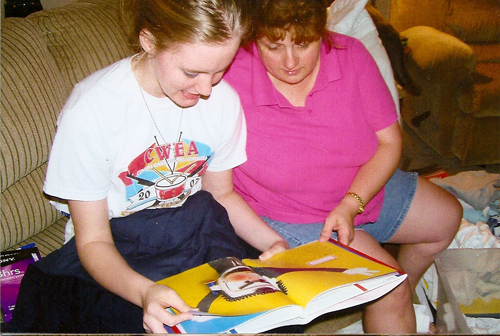


As you can see, his face is made of a children's tape recorder and his nose is a giant ear.


After reading through the book together, I wrote up my 'official' lesson plan and the worksheets the students would have to complete:
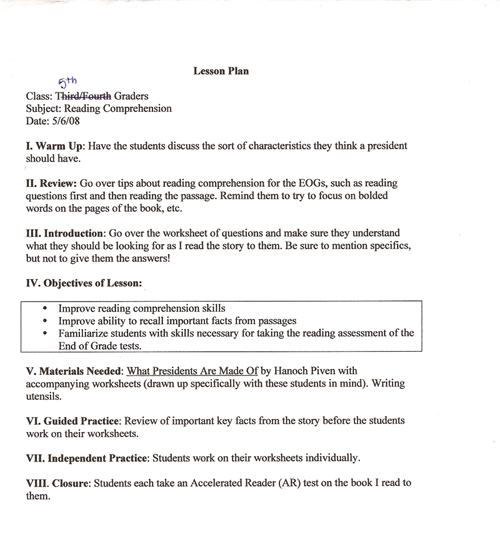
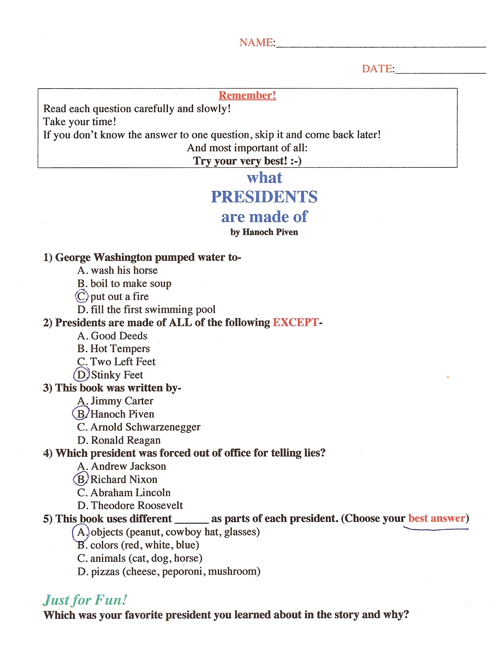


Once all of our planning was done, all I had to do was wait until Election Day- since Charlotte-Mecklenburg schools did not have the day off like Cabarrus County schools do, we decided that would be the best day for me to come in and volunteer in her classroom and teach my lesson. 


Finished Product

(As a side note: Since I knew it would take the video a long time to upload, I started this post before one of my others, and I can't seem to figure out how to reorganize them so that this would be the last post.)


On Tuesday, May 6th, I finished the final part of my product. I woke up really early, went to vote (since it was Election Day), and then arrived at Clear Creek Elementary at about 9:00AM. 

Sponge Bob and Patrick cheerfully welcomed me to Mrs. Nease's classroom.


I spent the rest of the school day (until 4:00PM) helping Mrs. Nease with her daily routine. 

Of course, I didn't just spend my time handing out scissors and glue. This was the day that I gave my lesson to a group of Mrs. Nease's students. 


I gave my first lesson in the morning to a group of third graders. My second lesson was in the afternoon, to a group of fourth graders, which I recorded for your viewing pleasure:


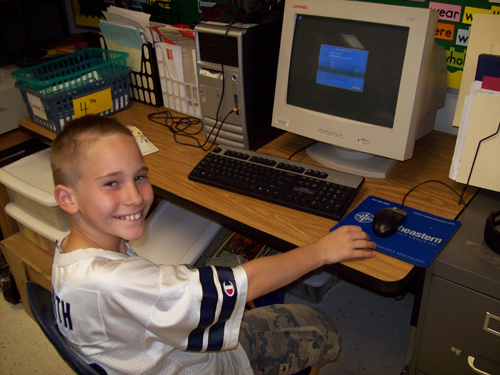
I'm happy to report that a large majority of the students passed their AR tests. As you can see, Jacob was extremely pleased with himself when he got 100 percent. 


I was surprised at how much fun it was to work with these kids. I honestly thought I would get frustrated or be impatient with them (as I often am with my younger brother, who has ADHD, Asperger Syndrome, and mood disorders), but I actually found it much easier to keep them under control and engaged than I thought it would be. (Of course, many of their side comments throughout the day had me in stitches).

I'm really glad I was able to work in Mrs. Nease's classroom. The experiences I had with her kids have made me seriously consider going into Special Education. Who knows what will happen! 

The TRUE Story of ADHD...

For my graduation project, I researched Attention Deficit Hyperactivity Disorder and its effects on children in school. 

The first part of my product was a presentation to my mentor's Girl Scout troop about ADHD. I wanted to get the girls to understand the basics of ADHD so they would be more understanding and accepting of their peers who may have disorders. 

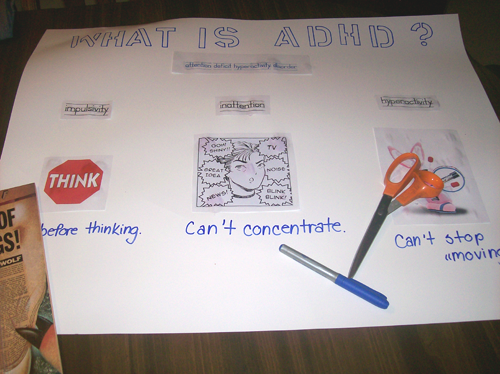
I made a large poster for a visual aid that listed the three main symptoms of ADHD: impulsivity, inattention, and hyperactivity.

Photobucket


Then I drew up a quick interactive activity that would give the girls an idea of what a student with ADHD has to go through on a day to day basis in school. I told my mentor about my plans, and after Mrs.Nease's approval it was time to deliver!


On Monday, April 28th, I dropped by during one of the troop's meetings to give my presentation.

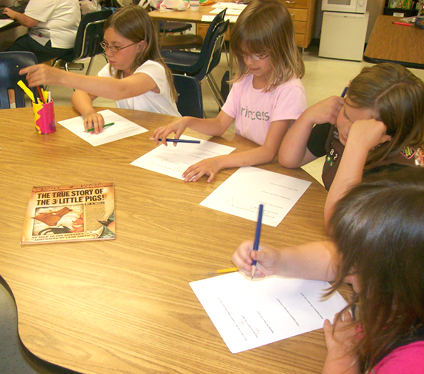
I decided to read them the book The True Story of the Three Little Pigs by Jon Scieszka. I chose three girls from the group to represent the three different symptoms of ADHD: 

For inattention, I made one girl stand behind another and tap a tambourine softly by her ear to represent auditory distractions. 

For impulsivity, I had a ziplock bag full of slips of papers with commands such as "hide under the table" or "tell me your favorite kind of cake" that one girl would choose from and have to perform before thinking. 

To represent hyperactivity, I told one girl scout to jump up and down, run around the room, tap her pencil against the desk constantly, and other fidgety activities of that nature.

As those girls acted out the different symptoms of ADHD, I read a story to the entire group- telling them to try to pay extra close attention so they could fill out the worksheet I made later. 

As you can imagine, there was total chaos (which, of course, was a good representation of what a class would be like if three out of the six or so students present had ADHD)!


Of course, they did eventually all have to complete my worksheets and calm down before we could continue the rest of the activity. 


Once everyone was done with their worksheets, I asked the each of the girls how they felt during the activity. Olivia, the girl I chose to act out 'hyperactivity', said she felt bad, because I was constantly calling her down for fidgeting although she could not help it. Breanna said she could not concentrate because the students with ADHD were making it hard for her to focus on the teacher (me). 

By the end of the meeting, I believe the girls had a better appreciation for their ability to concentrate in class and a better understanding of their peers who may have ADHD or other disorders that make working in the school environment challenging. 

As you can probably tell by the pictures, these girls were a whole lot of fun to work with!